
Investing in solar panels is a significant decision, and understanding their longevity is crucial for making an informed choice. Here’s what you need to know about the lifespan of solar panels and how to maximize their efficiency.
Average Lifespan of Solar Panels
Solar panels are built to last. On average, solar panels have a lifespan of 25-30 years. However, this doesn’t mean they stop producing electricity after this period; their efficiency simply decreases over time.
Factors Influencing Solar Panel Lifespan
1. Quality of Materials
Higher-quality panels tend to last longer and degrade more slowly. Panels made from superior materials, such as high-grade silicon, are more resistant to environmental stressors and physical damage. Investing in well-known, reputable brands that offer advanced technology can ensure better performance and durability.
Panels often come with extensive warranties, which can provide peace of mind and protect your investment.
2. Installation
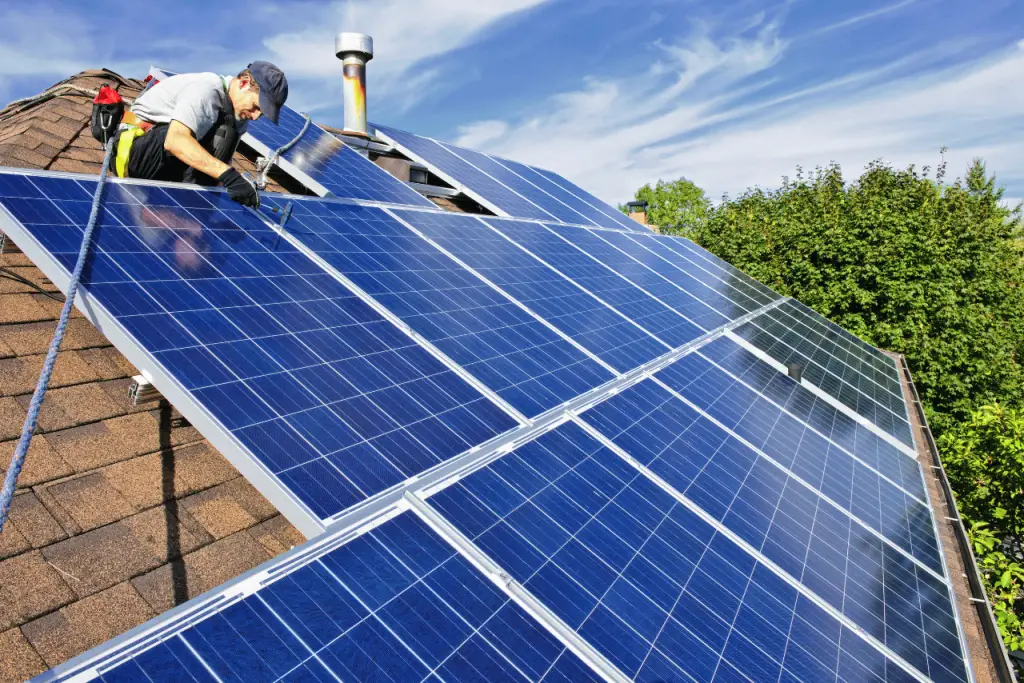
Proper installation by experienced professionals ensures longevity. The installation process is critical; even the best solar panels can underperform or fail prematurely if not installed correctly. Professional installers ensure that panels are mounted securely and positioned optimally to receive maximum sunlight.
They also handle the electrical components safely, reducing the risk of malfunctions. Choosing certified and experienced installers can prevent common issues that might shorten the lifespan of your panels.
3. Climate
Solar panels in areas with extreme weather conditions may experience faster degradation. Harsh climates, such as those with high heat, heavy snowfall, or frequent hailstorms, can impact the longevity of solar panels. UV radiation, temperature fluctuations, and physical damage from debris can all accelerate wear and tear. In regions with severe weather, investing in panels specifically designed to withstand such conditions, and ensuring they are installed at optimal angles, can help mitigate these effects.
4. Maintenance
Regular cleaning and maintenance help maintain efficiency and extend lifespan. Dust, dirt, and other debris can accumulate on solar panels, reducing their efficiency by blocking sunlight. Regular cleaning ensures panels can operate at their maximum capacity.
Additionally, routine inspections can identify and address potential issues, such as loose connections or damage from storms, before they become significant problems. Establishing a regular maintenance schedule with a professional service can help keep your panels in top condition.
Degradation Rate
Solar panels degrade over time, with the industry standard degradation rate being about 0.5% per year. This means after 25 years, your panels should still produce around 87.5% of their original capacity.
Maximizing the Lifespan of Your Solar Panels
- Choose Quality Panels: Invest in panels with a good warranty and proven track record.
- Professional Installation: Ensure your panels are installed by certified professionals to prevent future issues.
- Regular Maintenance: Clean your panels regularly and check for any damage or debris that could affect performance.
- Monitor Performance: Use monitoring systems to keep track of your panels’ efficiency and address issues promptly.
Warranty and Performance Guarantee
Most solar panels come with a 25-year warranty, covering not just the physical product but also the performance. This warranty ensures that your panels will produce a certain amount of electricity, typically 80-90% of the original output, even after 25 years.
Solar panels are a long-term investment that can provide significant energy savings and environmental benefits. By choosing high-quality panels, ensuring proper installation, and performing regular maintenance, you can maximize the lifespan and efficiency of your solar energy system. For expert solar panel installation and maintenance services, contact Topp Home. Our team is dedicated to helping you achieve your energy goals.
