
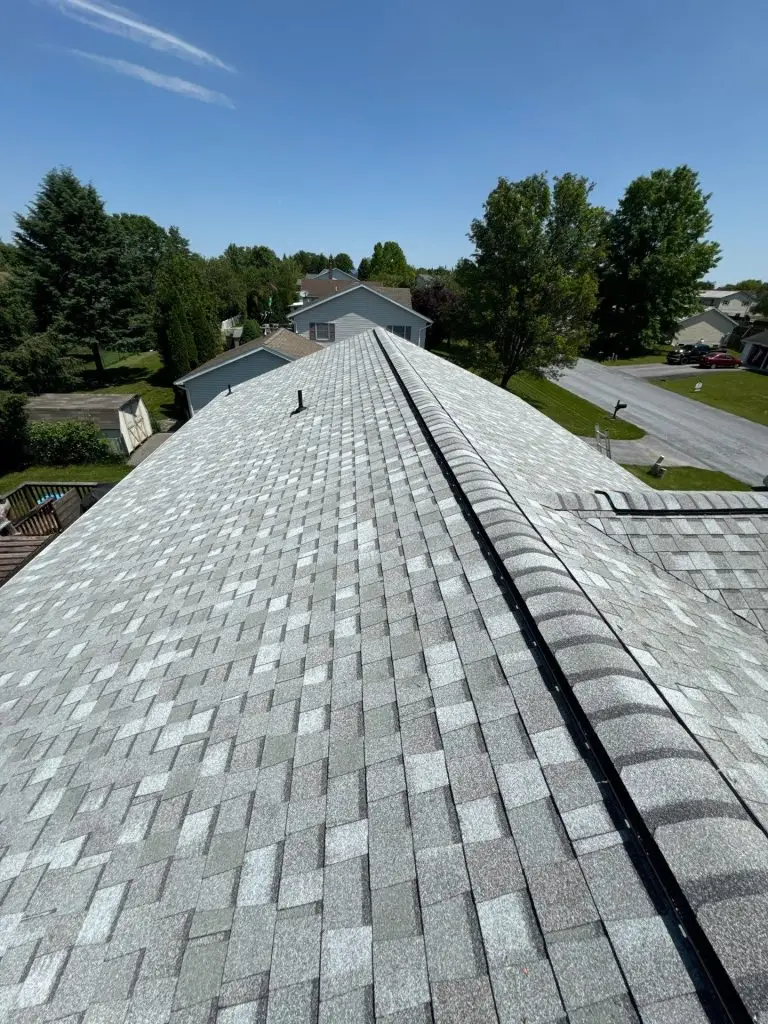
Winter in Central Pennsylvania brings cold temperatures, snow, and ice—elements that can take a toll on your roof if it’s not properly prepared. Winterizing your roof is essential to keep your home warm, to protect against leaks, and also help to ensure your roof lasts for years to come. Below are some key steps to prepare your roof for the harsh winter weather, helping you stay safe and warm all season long.
Inspect Your Roof for Damage
Before winter hits, inspect your roof for any existing damage. Look for cracked, curled, or missing shingles, as these weak spots can allow water to seep in during snowstorms. Even small leaks can lead to bigger issues, such as water damage, mold growth, and structural weakening if not addressed promptly. Checking for any signs of deterioration now will save you from dealing with more expensive repairs later.
If you’re not comfortable doing this yourself, it’s a good idea to hire a professional roofing contractor in Central PA. They can give your roof a thorough inspection and recommend necessary repairs before winter arrives.
Clean Your Gutters and Downspouts
Clogged gutters can cause a multitude of problems in the winter. When leaves, twigs, and debris block water flow, melting snow and ice can back up, creating ice dams. These dams can cause water to pool on your roof and seep into your home, leading to water damage and even roof collapse. Cleaning your gutters and downspouts before the first snowfall will help prevent ice dams and ensure that water flows away from your home efficiently.
In addition to cleaning, consider installing gutter guards to prevent future debris buildup. Gutter guards help keep leaves and twigs out while allowing rainwater and melting snow to pass through.
Trim Overhanging Branches
Tree branches that hang over your roof can pose a serious hazard during the winter. Heavy snow and ice can weigh down branches, causing them to break and fall onto your roof. This can result in damaged shingles, punctured roofing materials, and even structural damage. Trimming any overhanging branches before winter reduces the risk of this happening and keeps your roof in better condition.
Also, falling branches can scrape against your roof and loosen shingles. Regular trimming keeps your roof protected and prevents unnecessary wear and tear.
Check for Proper Insulation and Ventilation
A well-insulated and ventilated attic is key to winter roof performance. Proper insulation prevents heat from escaping your home, while ventilation helps regulate the temperature in your attic. This balance is essential to prevent the formation of ice dams. When warm air from your home rises and melts the snow on your roof, it can refreeze at the roof’s edge, creating an ice dam.
By ensuring that your attic is properly insulated and ventilated, you can keep your roof cooler and reduce the risk of ice dams. Additionally, good insulation improves your home’s energy efficiency, keeping you warmer while lowering heating bills.
Install Ice and Water Shields
Ice and water shields are an excellent protective measure to install before winter. These specialized underlayments are applied to the most vulnerable areas of your roof, such as the edges, valleys, and around chimneys. They create an extra layer of defense against water infiltration, helping prevent leaks caused by ice dams and melting snow.
While newer roofs often have these shields installed, older roofs may not. If your roof is more than 10 years old, it’s worth checking to see if these shields are in place and having them installed if necessary.
Perform Regular Roof Maintenance Throughout Winter
Winterizing your roof doesn’t stop once the first snow falls. Regular maintenance throughout the winter is essential to keep your roof in top condition. After each significant snowfall, safely clear any excess snow from your roof using a roof rake to prevent it from accumulating and adding weight to your roof. Too much snow buildup can cause structural damage or even lead to a collapse, especially if your roof is older.
Additionally, after winter storms, check your attic for signs of leaks. Water stains or damp spots can indicate a breach in your roof’s integrity. Catching these issues early helps prevent larger, more expensive repairs.
Winterizing your roof is essential for protecting your home and ensuring that you stay warm and dry throughout the cold months. By taking the right precautions—inspecting for damage, cleaning your gutters, and ensuring proper insulation—you can avoid costly repairs and enjoy peace of mind this winter.
Need help preparing your roof for winter? Contact us for a professional inspection and expert winterization services to keep your home safe and warm!
