

For most Central PA homes, insulated vinyl siding is worth the $1.50–$3.00 per square foot upcharge, but the strongest case for it isn’t energy savings. It’s durability, appearance, and long-term performance in a climate that puts real stress on exterior materials. Here’s the honest breakdown.
What’s Actually Different Between the Two?
The difference is a layer of expanded polystyrene (EPS) foam bonded to the back of the panel. That foam adds R-value, stiffens the panel, and creates a thermal break between the vinyl face and the wall sheathing. The result is a panel that looks flatter on the wall, handles impact better, and expands and contracts less across temperature swings. All of that matters in Central PA.
The vinyl face is often thicker on premium insulated products, but this varies by manufacturer. CertainTeed CedarBoards, Mastic Structure, and ProVia CedarMAX each use different foam thicknesses and locking systems, so it’s worth comparing specific products when evaluating bids.
The Energy Savings: Realistic Numbers
The energy savings from insulated vinyl are real but modest. Adding R-2.0 to R-3.5 to a wall that already has cavity insulation typically saves $75–$200 per year in Central PA, based on DOE modeling for mixed climates. That doesn’t pay back a $4,000–$7,000 upcharge in energy savings alone.
Where insulated siding makes a larger energy impact is in older homes with thin or degraded cavity insulation. The continuous foam layer covers studs rather than sitting between them, which eliminates thermal bridging and makes each R-unit more effective than the same R-value in a framed cavity. For a detailed look at the R-value specifics, see our insulated vinyl R-value guide.
Don’t buy insulated siding expecting a dramatic drop in utility bills. Do expect a modest, real improvement, and weigh it alongside the other benefits.
The Benefits That Actually Justify the Upgrade
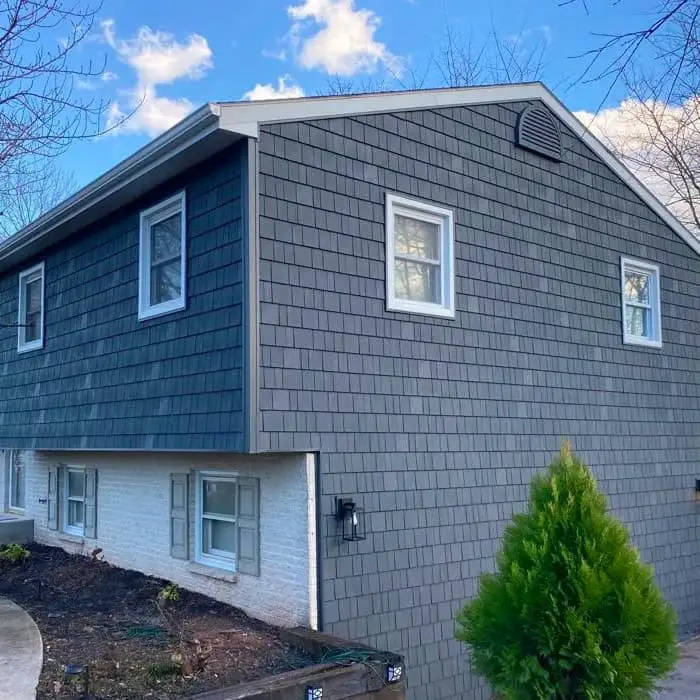
Appearance. Standard vinyl can develop a slight wave on the wall, especially over time or on walls with irregular sheathing. The foam backer stiffens the panel and produces a flatter, more consistent finished look. On a freshly sided home, the difference is visible.
Impact resistance. Insulated vinyl absorbs minor impacts better than standard vinyl. In Central PA, where severe hail events hit our houses regularly, this is a practical consideration and not just a spec sheet talking point.
Noise reduction. The foam layer provides moderate sound dampening. It’s not dramatic, but homeowners who upgrade consistently notice it, particularly on walls facing roads or active outdoor areas.
Freeze-thaw durability. Central PA averages more than 100 freeze-thaw cycles per year. The foam backer reduces how much panels expand and contract across those cycles, reducing stress on the locking system and seams over time. See our blog on how Central PA weather affects your siding for more on this.
When Standard Vinyl Makes Sense
Standard vinyl from a quality manufacturer is still a solid product. It makes more sense when budget is the primary constraint, the homeowner’s time horizon is short, or the home’s wall assembly already has strong insulation and air sealing. A well-installed standard vinyl job from CertainTeed or Mastic will perform for 20–40 years.
When Insulated Vinyl Is the Right Call
Insulated vinyl makes more sense for older homes with thin cavity insulation, west- or south-facing walls with high sun exposure, properties in hail-prone areas, and homeowners planning to stay 10 or more years. If you’re already replacing your siding, the incremental cost of insulated panels is the lowest-friction time to make the upgrade.
At Topp Home, we install both systems throughout Harrisburg, Lancaster, and the surrounding communities. Schedule a free inspection and price quote today and we’ll give you a straight answer on which option fits your home.
