
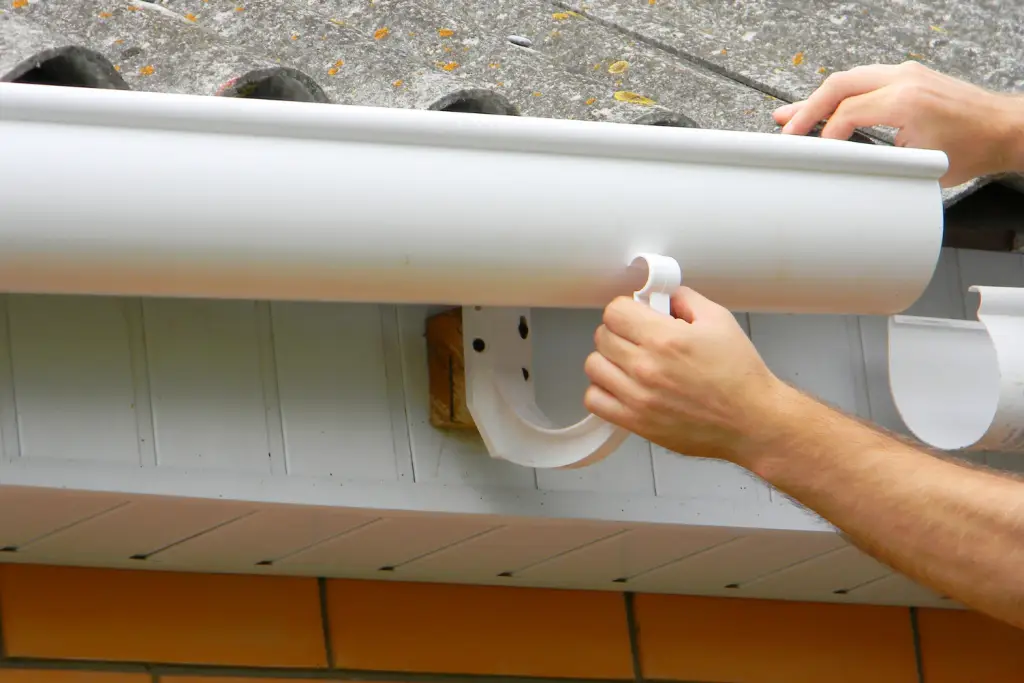
Central Pennsylvania winters are no joke. When snow, ice, sleet and freezing rain hit Harrisburg, Lancaster, Lebanon, York, and nearby areas, your roof and gutters often take the brunt of the damage. Whether it’s an unexpected roof leak, sagging gutters, or torn shingles from high winds, knowing how to respond after a winter storm can make all the difference in protecting your home.
At Topp Home, we specialize in fast, reliable emergency roof and gutter inspections tailored to local weather patterns. Here’s what you need to know about what to do after a storm strikes—and how to avoid long-term damage.
Step 1: Safety First
Immediately after a storm, resist the urge to climb on your roof or get up on a ladder to inspect your gutters. Snow-covered surfaces are extremely slick, and ice buildup can make walking surfaces unstable. Your safety is priority number one.
Instead, do a visual inspection from the ground. Look for signs like:
- Missing or curled shingles
- Icicles forming behind the gutter (a sign of ice damming)
- Water stains on ceilings or walls
- Gutter sections pulling away from the house
- Debris piles near the foundation
If you notice any of these, it’s time to call a professional for a thorough inspection.
Step 2: Act Quickly to Minimize Damage
Winter roof and gutter problems rarely fix themselves. Left unchecked, even minor damage can lead to significant issues like:
- Leaks that damage insulation and drywall
- Mold and mildew from trapped moisture
- Sagging gutters that pull away from fascia boards
- Ice dams that block drainage and force water under shingles
Topp Home offers emergency response services designed to address these issues quickly. Our team assesses your entire roofing system and drainage setup to identify visible and hidden threats—and we offer temporary repairs on the spot to prevent further damage.
Step 3: Don’t Ignore the Gutters
While roof damage gets most of the attention, gutter systems are often just as vulnerable. Clogged or misaligned gutters can freeze solid in low temperatures, causing them to detach, bend, or overflow.
After a storm, we recommend having your gutters:
- Cleared of snow, ice, and debris
- Realigned to ensure proper drainage
- Checked for cracks, separation, or joint damage
- Reinforced if sagging or pulling away from the home
If repairs aren’t enough, we can also discuss long-term options like seamless gutters or heated gutter guards that prevent winter clogs in the first place.
Step 4: Schedule a Professional Storm Damage Inspection
Even if your roof and gutters look fine from the ground, that doesn’t mean they’re damage-free. Subtle issues—like compromised shingles, cracked flashing, or slow leaks—often go unnoticed until bigger problems arise.
That’s why a post-storm inspection from a licensed contractor like Topp Home is so important. We check all critical components, including:
- Shingles, ridge caps, and valleys
- Flashing around chimneys and vents
- Underlayment condition (especially near ice damming zones)
- Gutter and downspout integrity
- Attic ventilation and insulation
Our inspections come with photo documentation, damage reports, and repair estimates so you can make informed decisions—and file an insurance claim if needed.
Topp Home Is Here When You Need Us Most
We know winter storms don’t always strike during business hours. That’s why Topp Home offers fast response times and transparent communication, so you’re never left in the dark about your home’s condition.
We also work with homeowners’ insurance providers to help document damage, provide estimates, and ensure timely approval and repair.
When winter weather strikes, don’t wait. Schedule your emergency inspection with Topp Home and keep your roof and gutters ready for whatever Central PA throws your way.
