
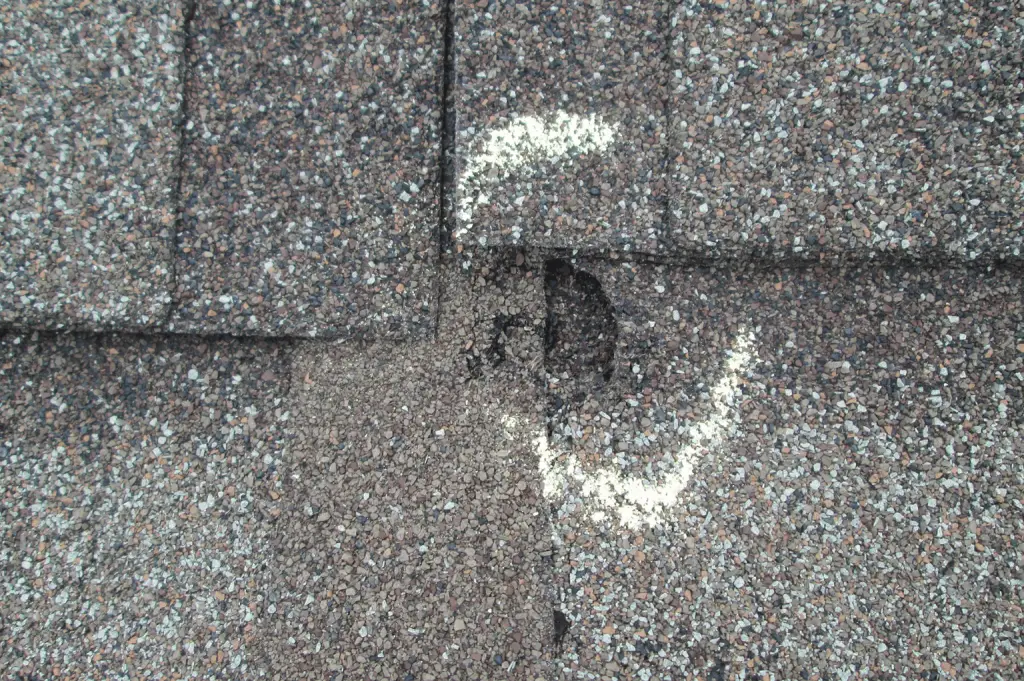
Spring storms in Pennsylvania can bring unpredictable weather—sometimes with hail that’s barely noticeable, and other times with intense impact that wreaks havoc on your roof. While your shingles may look fine from the ground, even small hailstones can leave behind damage that weakens your roof over time and leads to costly repairs later.
The key is knowing what to look for, when to act, and how to protect your home with a professional inspection.
Why Hail Damage Is More Serious Than It Looks
Hailstones—especially those 1 inch or larger—can impact roofing materials with enough force to bruise the underlying mat, knock granules off asphalt shingles, or crack flashing and vents. Even if you don’t notice immediate leaks, these subtle changes compromise your roof’s ability to shed water effectively.
Left untreated, hail damage can lead to:
- Water infiltration
- Mold or mildew growth in attics or ceilings
- Accelerated roof deterioration
- Voided roofing warranties
- Increased risk during future storms
Because hail impacts can be difficult to see from the ground, many homeowners overlook the damage until it becomes a bigger problem.
How to Inspect for Hail Damage After a Storm
After any major storm, take time to walk around your home and look for signs of roof or exterior impact. You don’t need to get on a ladder—start with the areas you can safely view from the ground or a second-story window.
Common signs of hail damage to look for:
- Dark spots or pitting on shingles – Areas where granules are missing or the surface looks bruised
- Loose granules in your gutters or downspouts – A sure sign that the top layer of shingles has been compromised
- Cracked or dented flashing – Especially around chimneys, skylights, and vent pipes
- Damaged siding, gutters, or fascia – Hail doesn’t always hit just the roof
- Dented metal surfaces – Look at vents, roof caps, or even your AC unit as signs of hail intensity
If you’re not sure what you’re seeing, or if the damage isn’t clearly visible from the ground, it’s best to have a professional inspection. At Topp Home, our trained roofing experts provide detailed post-storm assessments, including photos and reports you can use for insurance claims if needed.
How Quickly Should You Act After a Storm?
It’s a good idea to inspect your home within 24–48 hours after a hailstorm, especially if other homes in your neighborhood experienced visible damage. The sooner you act, the more likely your insurance will cover repairs.
Most homeowners’ policies require claims to be filed within a set time period, and waiting too long could void coverage for storm-related issues.
Protect Your Roof and Your Wallet
Many forms of hail damage don’t result in immediate leaks but weaken the integrity of your roof over time. Addressing it early can prevent thousands of dollars in future repairs.
Topp Home offers free post-storm roof inspections and can help you determine whether damage warrants a repair, replacement, or insurance claim.
Call today to schedule your hail inspection and keep your roof storm-ready.
